The Immigration Medical Examination and the Civil Surgeon
The medical examination is the one step in an immigration case that cannot be delegated to a family doctor, however well qualified. It exists to screen for a short list of statutory grounds, and a finding on that list can close a case that is otherwise sound.
What this report covers
- Only a designated civil surgeon or an embassy-approved panel physician may perform the examination.
- The protocol screens for communicable diseases of public health significance, required vaccinations, physical or mental disorders with associated harmful behavior, and drug abuse or addiction.
- A Class A finding is a ground of inadmissibility; a Class B finding is noted but does not bar admission.
- Vaccination requirements can be met, deferred on medical grounds, or waived on religious or moral grounds.
- The examination report is sealed by the physician and must reach the adjudicator unopened.
- Drug-related findings are among the hardest to overcome because no general waiver exists for most of them.
Almost every applicant for permanent residence passes through a medical examination, and almost every applicant misunderstands what it is. It is not a health check. It is a screening protocol written to a statutory list, and the physician performing it is acting as a designated examiner rather than as anyone's doctor.
Who is allowed to perform it
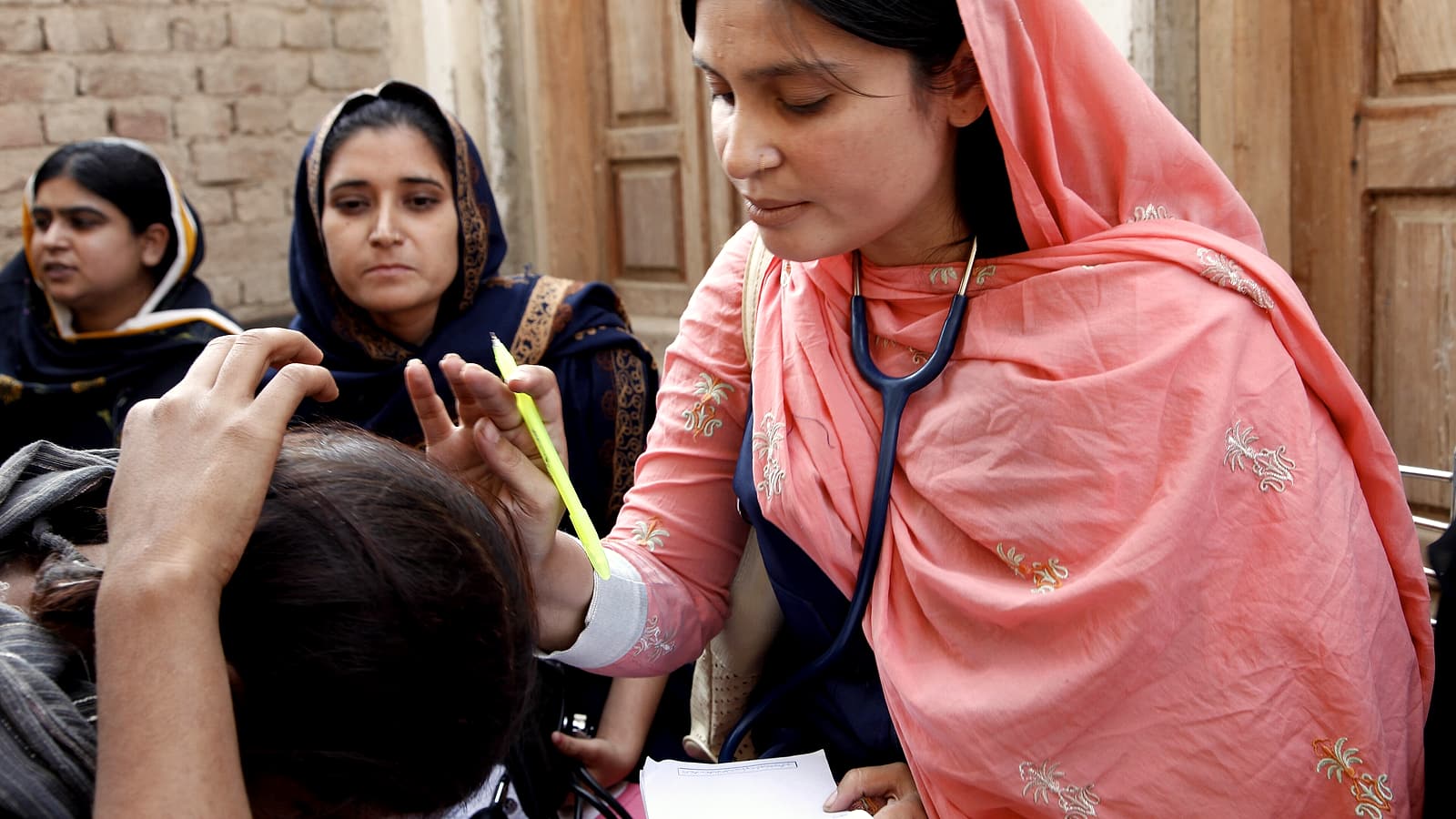
The authority to examine comes from designation. Inside the United States that means a civil surgeon — a physician the benefits agency has designated for the purpose, identifiable through the agency's own locator. Outside the United States it means a panel physician approved by the embassy or consulate handling the immigrant visa case, and the approved list is published by that post rather than centrally.
The distinction matters more than applicants expect. A report signed by an undesignated physician, however senior, is not a defective filing that can be corrected — it is not an examination at all. Refugees and asylees examined overseas before arrival sit in a partial exception: much of the protocol has already been completed, and what remains is usually the vaccination record.
What the protocol actually covers
Four categories, and only four. The examination is not entitled to wander outside them, which is why applicants with serious chronic conditions frequently pass without difficulty while a minor drug history creates a crisis.
| Category | What the examiner is looking for |
|---|---|
| Communicable disease of public health significance | Active infectious tuberculosis, certain sexually transmitted infections, and other conditions named by public health authorities |
| Vaccination record | Documented immunization against the diseases on the published schedule, or a recognized exception |
| Physical or mental disorder with associated harmful behavior | A diagnosed disorder plus behavior that has posed or is likely to pose a threat to person or property |
| Drug abuse or addiction | Substance use meeting the clinical definition in the current diagnostic standard |
The third category is routinely misread. A diagnosis on its own is not disqualifying; the finding requires both a disorder and associated harmful behavior, and the behavior must be connected to the disorder rather than merely coexisting with it. The fourth category has no such structure, which is what makes it dangerous.
Vaccinations and the two ways around them
The vaccination requirement is the part of the examination applicants can control in advance. Records from a prior physician count if they document the vaccine and the date administered; where records are unavailable, serologic testing showing immunity is generally accepted, and where neither is possible, the examiner administers what is missing.
Two exceptions exist. A vaccine that is medically inappropriate — because of age, pregnancy, a contraindication, or because it is not available — is deferred by the examiner without any application. A religious or moral objection is different: it requires a formal waiver application, and it demands that the objection be genuinely held, religious or moral in nature rather than merely personal preference, and opposed to vaccination in all forms rather than to one vaccine. Adjudicators test that last element closely, and it is where these applications most often fail. Children arriving through the intercountry adoption routes have their own exemption structure, because the vaccinations cannot sensibly be completed before travel.
Validity periods for the signed report are set by policy and change without legislation, so the current rule is the one published on the form's own page rather than anything a forum reports. Scheduling the examination too early is a commoner cause of repeat examinations than scheduling it too late.
Class A findings and what they cost
The examiner classifies findings rather than deciding cases. A Class A finding corresponds to a ground of inadmissibility and stops the case until it is resolved. A Class B finding records a condition that is significant but not disqualifying — it travels with the file and may prompt follow-up after admission, without barring anything.
Resolution depends on the category. Active tuberculosis is resolved by treatment and certification that the applicant is no longer infectious. Vaccination gaps are resolved by vaccination or an exception. The mental health category is resolved either by evidence that the harmful behavior is unlikely to recur or by a waiver granted on public health conditions. Drug findings are the outlier: for most controlled substance grounds there is no general waiver, and an applicant found to be a current abuser or addict must ordinarily establish remission over a sustained period before re-examination.
Because a Class A drug finding can also surface a conviction or admission that carries its own consequences, the medical step is one of the few points in a benefits case where an applicant should understand the enforcement exposure before attending — a judgment call that a adjustment of status counsel is better placed to make than the examining physician, who has no role in advising on the legal consequences of what the protocol requires her to record.
Sealing, submission and what follows
The physician seals the completed report and gives the applicant an envelope that must reach the adjudicator unopened. Where the case is consular, the panel physician frequently transmits results directly to the post and the applicant carries nothing. Where it is domestic, the sealed envelope is filed with the application or brought to interview, depending on current instructions.
Applicants should keep the physician's separate copy. It is the document that answers questions later about which vaccines were administered, and it is the record that matters if a subsequent filing revisits the same ground. In consular cases the medical report sits alongside the civil documents package, and the two frequently arrive at different speeds — police certificates and court records run on their own timetables, set by foreign issuing authorities rather than by the post.
One further point of connection: health findings and financial support are assessed separately, but a serious Class B condition can bear on the totality assessment that accompanies affidavit of support review, and in the rarer cases where a bond is required, the bond has its own release mechanism that is independent of the medical file.
Sources
- Cornell Legal Information Institute — 8 U.S.C. 1182, Inadmissible Aliens
The health-related grounds of inadmissibility the examination is written to detect.
- eCFR — 8 CFR Part 232, Detention of Aliens for Physical and Mental Examination
The regulation requiring examination and governing who may perform it.
- USCIS — Form I-693, Report of Immigration Medical Examination and Vaccination Record
The form, its instructions, and the current rules on validity and submission.
- USCIS Policy Manual — Volume 8, Part B: Health-Related Grounds of Inadmissibility
How adjudicators treat Class A and Class B findings and the available waivers.
- USCIS — Find a Civil Surgeon
The official locator for physicians designated to perform the examination.
- CDC — Civil Surgeon Technical Instructions
The public health protocol the examining physician is required to follow.
Questions readers ask
Can my own doctor complete the form if she is board certified?
No. The authority to perform the examination comes from designation, not from qualification, and a physician who has not been designated cannot produce a report the agency will accept. Inside the United States the designated physician is a civil surgeon; abroad the examination is done by a panel physician approved by the embassy or consulate handling the case. A treating physician can supply records the designated examiner relies on, which is a genuinely useful role.
What happens if the sealed envelope is opened?
The report is treated as invalid and the examination generally has to be repeated, at the applicant's cost. The seal exists so the adjudicator receives the physician's findings without any opportunity for alteration, and agencies apply the rule strictly rather than case by case. Applicants who receive a sealed envelope should file it exactly as issued and keep any separate copy the physician provides for their own records.
Does a positive tuberculosis skin test bar admission?
Not by itself. Screening for tuberculosis follows a staged protocol in which an initial positive result leads to imaging and, where indicated, sputum testing. Only active infectious disease produces a Class A finding; treated or latent infection is generally recorded as Class B, which is noted for follow-up but does not bar admission. Where treatment is required, the case pauses until the treating physician certifies the applicant is no longer infectious.